A World Full of Gods
In the Roman world, there was never a shortage of gods or goddesses. Every city had its own divine protectors, and new deities were...
Festivals of the Imperial Cult
The best surviving ancient description of festivals organized for the imperial cult comes from Antiochus I of Commagene (69–31 BCE), whose monumental sanctuary on...
The Imperial Cult in Western Anatolia
The Roman imperial cult played a major role in the religious and social life of cities in western Anatolia. Even before the power of...
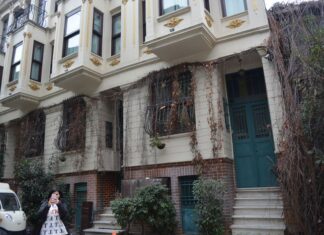
Claim of the Gate of Eugenius as the Basilike Pyle
The idea that the Gate of Eugenius was the only Basilike Pyle, or Imperial Gate, faces only one serious difficulty. This difficulty arises from...
Roman Emperors and Their Ties to Hungary
Many Roman emperors honored this region of Europe through their presence, birth, death, or important actions. The lands of Pannonia and the surrounding provinces...
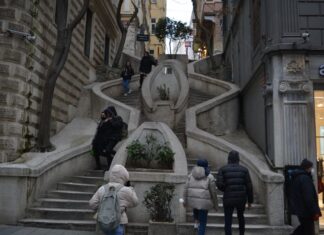
Attila and the Early Power of Hungary
The mighty deeds of Attila, King of this land, remain among the most remarkable events in European history. From Hungary and the neighboring regions,...
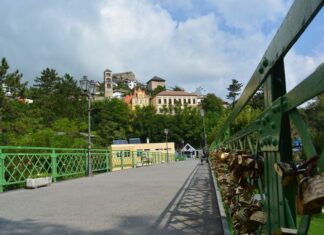
Learning and Warfare in Hungary
Although the Hungarians possess natural intelligence, strong industry, and the ability to excel in learning and the liberal arts, their history shows that they...
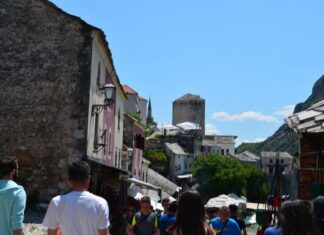
Identification of the Tower of Anemas
The identification of the Tower of Anemas has been an ongoing challenge, and various theories have been proposed to locate it. One such theory...
Additional Passages Relevant to the Discussion
There are two or three additional passages that relate to the current discussion, although they are somewhat vague and unclear. These passages provide some...

The Opinion of Sixteenth-Century Constantinople
In sixteenth-century Constantinople, a common opinion was that the Towers of Anemas were the Towers of the Pentapyrgion, which is the name given to...